Ibogaine HCl – Research, Pharmacology & Scientific Information
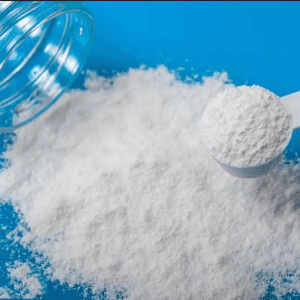
Ibogaine HCl (ibogaine hydrochloride) is the hydrochloride salt form of ibogaine, a naturally occurring indole alkaloid associated with the African shrub Tabernanthe iboga. It has attracted scientific interest because of its complex pharmacology and potential relevance to research involving substance-use disorders, neurobiology, and psychoactive compounds.
Modern research continues to investigate ibogaine and its primary metabolite, noribogaine. However, the clinical evidence remains limited and ibogaine has not been established as a routine approved treatment for substance-use disorders. A 2026 review of three decades of clinical literature concluded that existing evidence is insufficient to support clinical use and identified cardiotoxicity, particularly QT prolongation, as an important concern.
What Is Ibogaine HCl?
Ibogaine HCl is the hydrochloride salt of ibogaine. Researchers use chemical salt forms such as hydrochlorides to provide defined chemical formulations suitable for analytical and laboratory investigation.
After administration, ibogaine is metabolized primarily through CYP2D6 to noribogaine, an active metabolite with different pharmacokinetic characteristics. Research indicates that individual differences in CYP2D6 metabolism can influence ibogaine exposure and may affect its pharmacological and cardiac effects.
Ibogaine HCl Research Areas
Scientific investigations have examined ibogaine in several areas:
- Neuropharmacology
- Substance-use-disorder research
- Pharmacokinetics and metabolism
- Receptor pharmacology
- Cardiac electrophysiology
- Ibogaine and noribogaine mechanisms
- Development of potentially safer ibogaine analogues
Ibogaine interacts with multiple neurotransmitter systems, including opioid, NMDA, serotonin, dopamine, and sigma-related pathways. Its unusually broad pharmacological profile is one reason it remains a subject of ongoing research.
Ibogaine HCl and Addiction Research
Ibogaine has been investigated for possible effects on withdrawal, craving, and substance-use behavior. Observational and open-label studies have reported potentially interesting findings, but these results should not be interpreted as proof of efficacy.
A recent comprehensive review found that much of the positive clinical evidence comes from uncontrolled, retrospective, or observational research, with substantial limitations. No double-blind randomized controlled trial has established ibogaine or noribogaine as an effective treatment for opioid use disorder.
For this reason, Ibogaine HCl should be described as an investigational compound rather than an established treatment.
Ibogaine HCl Safety Research
Safety is one of the most important areas of ibogaine research. Studies and case reports have documented QTc prolongation, bradycardia, ventricular arrhythmias, and other serious cardiac complications.
In one observational study involving ibogaine-HCl administration, clinically significant QTc prolongation occurred, with some participants exceeding a QTc of 500 milliseconds. Severe transient ataxia was also observed.
More recent research continues to identify QT prolongation and ventricular arrhythmias as major safety considerations. These findings make appropriate medical assessment and monitoring particularly important in any legitimate clinical research setting.
Important Research Disclaimer
Ibogaine HCl is not a substitute for approved medical treatment. It may also be subject to different legal and regulatory controls depending on the jurisdiction.
Because ibogaine can affect cardiac electrophysiology and interacts with multiple neurological pathways, unsupervised use can carry serious risks. Drug interactions and differences in CYP2D6 metabolism may further influence exposure and adverse effects.
Ibogaine HCl and Noribogaine
Ibogaine and noribogaine are closely related but pharmacologically distinct compounds. Ibogaine is converted into noribogaine through metabolism, primarily involving CYP2D6.
Researchers study both compounds to better understand:
- Pharmacokinetic profiles
- Metabolic pathways
- Receptor interactions
- Cardiovascular effects
- Potential therapeutic mechanisms
- Development of safer analogues
Understanding the relationship between ibogaine and noribogaine remains an important area of pharmacological research.
Why Researchers Study Ibogaine HCl
The scientific interest surrounding Ibogaine HCl comes from its unusual multimodal pharmacology and the possibility of identifying mechanisms that could inform future treatments for substance-use disorders.
Researchers are also investigating modified ibogaine analogues that could potentially retain useful pharmacological properties while reducing cardiovascular risks. A 2026 scoping review identifies cardiac safety, formulation standardization, and regulatory considerations as major challenges for future translational research.
Further Reading and External Resources
For additional scientific information, consider linking this page to authoritative research sources:
- PubMed Ibogaine Toxicology Review – Review of ibogaine pharmacology and toxicity
- PubMed 2026 Clinical Literature Review – Thirty Years of Ibogaine Research
- PubMed Cardiac Safety Research – Ibogaine and cardiovascular complications
- PubMed Pharmacokinetic Research – Ibogaine pharmacokinetics and pharmacodynamics
These sources provide useful scientific context without making unsupported therapeutic claims.
Suggested Internal Links
Use descriptive internal anchor text rather than generic phrases such as “click here”:
- Ibogaine Research →
/ibogaine-research/ - Iboga Root Bark →
/iboga-root-bark/ - Psychedelic Research →
/psychedelic-research/ - Research Compounds →
/research-compounds/ - Bacteriostatic Water →
/bacteriostatic-water/
Suggested SEO Focus Keywords
Primary focus keyword:
Ibogaine HCl
Secondary keywords:
- Ibogaine hydrochloride
- Ibogaine HCl research
- Ibogaine pharmacology
- Ibogaine and noribogaine
- Ibogaine research compound
- Ibogaine safety
- Ibogaine pharmacokinetics
- Tabernanthe iboga research
Suggested SEO Title
Suggested Meta Description
Explore Ibogaine HCl research, pharmacology, metabolism, noribogaine, clinical evidence, and important cardiac safety considerations.
FAQ Schema Questions
What is Ibogaine HCl?
Ibogaine HCl is the hydrochloride salt form of ibogaine, an indole alkaloid derived from Tabernanthe iboga that is studied in pharmacology and substance-use-disorder research.
What is Ibogaine HCl used for in research?
Research has examined its pharmacology, metabolism, neurological effects, cardiovascular effects, and potential relevance to substance-use disorders. Clinical efficacy remains unestablished.
What is the difference between ibogaine and noribogaine?
Noribogaine is the primary active metabolite produced when ibogaine is metabolized, primarily through CYP2D6. Researchers study both compounds because their pharmacological and pharmacokinetic properties differ.
Is Ibogaine HCl safe?
Ibogaine has significant documented safety concerns, particularly regarding QTc prolongation and potentially serious cardiac arrhythmias. It should not be presented as a proven or risk-free treatment.
Is Ibogaine HCl FDA-approved?
Ibogaine is not an established FDA-approved treatment for substance-use disorders. Regulatory status can differ by country and should be verified with the relevant authority.
Is Ibogaine HCl legal?
The legal status of ibogaine varies by jurisdiction. Users and researchers should verify applicable local laws and regulations before handling or studying the compound.



Reviews
There are no reviews yet.